
Understanding the Carbon Border Adjustment Mechanism and Its Impact on Non-European Countries
ESGLOBE
8/18/20252 min read
Introduction to the Carbon Border Adjustment Mechanism
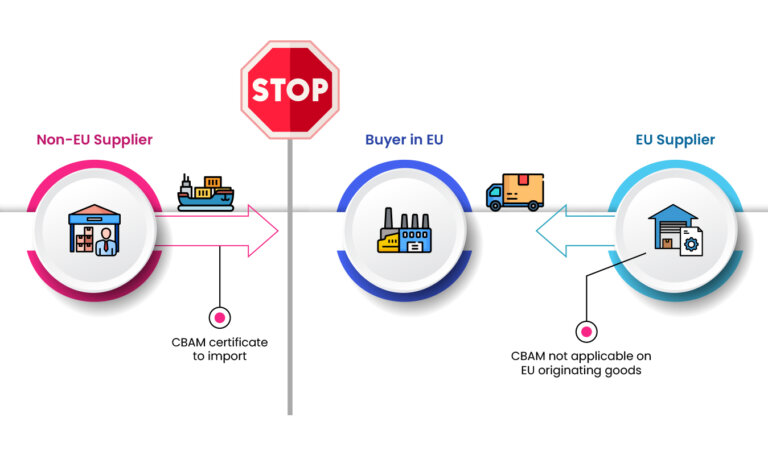
The Carbon Border Adjustment Mechanism (CBAM) has emerged as a crucial component of the European Union's strategy to combat climate change and foster sustainable development. By imposing a carbon price on imports of certain goods, the EU aims to align its climate goals with trade regulations, ensuring that domestic industries are not placed at a competitive disadvantage relative to foreign producers. As the world increasingly focuses on reducing carbon emissions, understanding CBAM's implications for non-European countries becomes vital.
The Objectives of CBAM
CBAM primarily serves two objectives: to reduce the risk of carbon leakage and to promote global climate action. Carbon leakage occurs when businesses relocate production to countries with less stringent climate policies, ultimately undermining the effectiveness of emissions reduction efforts. By creating a price on carbon that imports must adhere to, CBAM encourages third-party countries to adopt greener practices to maintain access to the lucrative European market. This mechanism seeks to ensure that global industries are incentivized to lower their carbon footprints.
Impact on Non-European Countries
The implications of CBAM for non-European countries can be significant and multifaceted. Countries that heavily rely on exporting goods subject to CBAM—such as steel, cement, and electricity—may face competitive disadvantages if they do not align their production methods with the EU's carbon pricing system. In addition, these nations may encounter increased costs due to compliance measures needed to meet EU standards.
Some non-European countries may welcome the mechanism as an opportunity to modernize their industries and adopt cleaner technologies, potentially attracting foreign investments aimed at boosting sustainability. However, countries with limited resources or less developed infrastructure may struggle to adapt quickly, resulting in economic strains and potential trade imbalances.
Transitional Phase (2023–2025):
Importers must report embedded emissions in goods like cement, steel, aluminium, fertilizers, electricity, and hydrogen.
No financial penalties yet, but reporting is mandatory.
Definitive Phase (from 2026):
Importers must purchase CBAM certificates reflecting the carbon content of their imports.
Adjustments allowed if a carbon price was already paid in the country of origin.
Conclusion: Navigating a Global Transition
In conclusion, the Carbon Border Adjustment Mechanism is a powerful tool designed to harmonize global efforts in reducing carbon emissions while protecting domestic industries within the European Union. As non-European countries grapple with its impact, it is essential for these nations to understand CBAM's objectives and adjust their policies accordingly. Collaborative efforts among governments, industries, and international organizations will be critical in fostering a fair and equitable transition towards a sustainable global economy.