
A Comprehensive Checklist and Roadmap for Non-EU Companies Preparing for ESG Compliance When Exporting to Europe
ESGLOBE
8/15/20254 min read
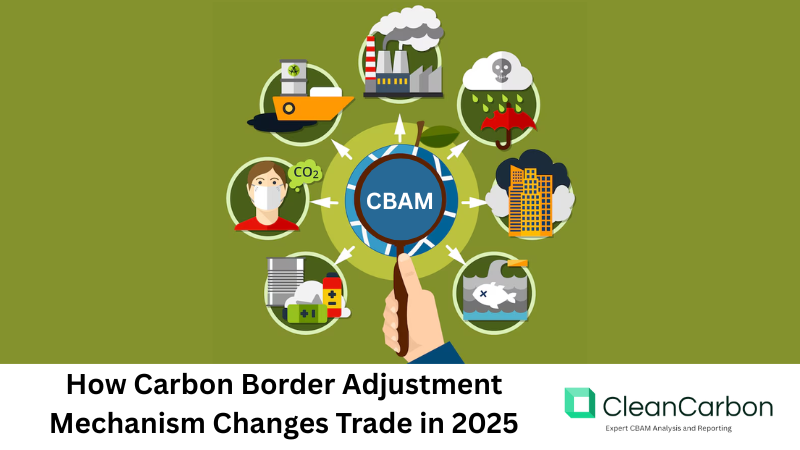
Understanding ESG Compliance: What Non-EU Companies Need to Know
Environmental, Social, and Governance (ESG) compliance has swiftly become a crucial factor for businesses, particularly for non-EU companies aiming to export to Europe. ESG refers to the three central factors in measuring the sustainability and societal impact of an investment in a company or business. These elements are increasingly under scrutiny, influencing not only regulatory landscapes but also consumer preferences and corporate reputation.
The recognition of ESG's significance is reflected in the evolving regulatory frameworks established by the European Union. Legislation such as the EU Green Deal and the Sustainable Finance Disclosure Regulation (SFDR) mandates stringent compliance measures, aiming to promote environmentally sustainable practices throughout Europe. For non-EU entities, understanding these regulations is essential; failure to comply can severely restrict market access in Europe, directly affecting sales and partnership opportunities.
To align with ESG requirements, non-EU companies must adopt practices that demonstrate their commitment to sustainability, ethical governance, and social responsibility. This includes reducing carbon footprints, ensuring fair labor practices, and upholding transparency in governance structures. By integrating ESG principles into their operations, companies not only comply with regulations but also enhance their brand reputation and market competitiveness.
Non-compliance with ESG standards can lead to significant repercussions, including the loss of business opportunities, diminished investor interest, and potential legal penalties. Furthermore, a negative reputation stemming from sustainability failures can alienate consumers who prioritize ethical considerations in their purchasing decisions. As a result, it is imperative for non-EU companies to recognize the importance of ESG compliance, understand EU regulatory expectations, and proactively implement strategies that align their practices with these evolving standards.
Essential Steps for ESG Compliance: The Checklist
Non-EU companies seeking to achieve Environmental, Social, and Governance (ESG) compliance must follow a structured approach. Here is a comprehensive checklist detailing essential steps that will guide organizations through the complexities of compliance.
1. Assess Current Company Practices
Begin by conducting a thorough evaluation of existing practices related to ESG. Identify gaps in your environmental impact, social responsibility, and governance structures. Utilize tools such as ESG assessments or audits to analyze current operations, and gather data on all relevant metrics, including carbon emissions and workforce diversity.
2. Document ESG-Related Policies
Draft and formalize a set of ESG policies that address your company’s commitment to sustainability and social governance. This documentation should articulate your goals and strategies and be integrated into the company’s core business model. Ensure these policies are accessible to stakeholders, including employees and partners, to reinforce accountability and transparency.
3. Engage Stakeholders
Involve a diverse group of stakeholders, from employees to suppliers, in discussions about ESG compliance. Solicit feedback and insights to ensure you have a comprehensive understanding of their expectations and concerns. Regular engagement can foster a culture of sustainability within the company and enhance collaboration on ESG initiatives.
4. Integrate ESG Measures into Business Operations
ESG compliance must be embedded in all aspects of business operations. This can include adopting sustainable sourcing practices, minimizing waste, and ensuring fair employment practices. Train employees on your ESG goals and practices, emphasizing everyone’s role in achieving compliance and reinforcing the company’s commitment to sustainable development.
5. Monitor Progress and Report
Establish metrics to monitor progress towards achieving ESG targets. Regularly report on these metrics to stakeholders, ensuring transparency and accountability. This not only demonstrates compliance but also showcases your organization’s commitment to continuous improvement in ESG practices.
This checklist serves as a foundational guide to help non-EU companies navigate the complexities of ESG compliance, ultimately leading to a more sustainable and ethical business model.
Creating a Strategic Roadmap for ESG Implementation
In the contemporary business environment, non-EU companies preparing for Environmental, Social, and Governance (ESG) compliance must develop a strategic roadmap that is tailored to their unique circumstances. This roadmap serves as a structured plan that outlines the key steps necessary for successful ESG strategy implementation. The first crucial element in creating an effective roadmap is the establishment of realistic goals that align with both corporate objectives and regulatory requirements. By setting ambitious yet achievable targets, organizations can ensure that their ESG initiatives are meaningful and foster long-term sustainability.
Another vital component of the strategic roadmap is to develop clear timelines. Establishing a timeline allows companies to refresh their commitments and maintain focus on achieving specific ESG milestones. This chronological approach not only provides clarity but also instills a sense of urgency that can drive progress across all levels of the organization. Additionally, identifying key performance indicators (KPIs) becomes imperative in tracking the success of these strategies. KPIs should be measurable, relevant, and aligned with the overarching ESG goals to allow for effective monitoring and evaluation.
Continuous monitoring and reporting are essential practices that must be incorporated into the ESG roadmap. These activities will enable non-EU businesses to assess the effectiveness of their initiatives and make necessary adjustments in real-time. Reporting frameworks, such as the Global Reporting Initiative (GRI) or the Sustainability Accounting Standards Board (SASB), can provide valuable guidelines and structure for presenting ESG performance. Utilizing technological tools and platforms for data collection and analysis will streamline this process, ensuring a comprehensive understanding of ESG progress. Such diligence ultimately facilitates the transparent communication of sustainability efforts to stakeholders, strengthening the company’s reputation in the global market.
Challenges and Solutions in ESG Compliance for Non-EU Companies
Non-EU companies often encounter a myriad of challenges when striving for Environmental, Social, and Governance (ESG) compliance in Europe. One significant obstacle is the resource constraints that many organizations face. Smaller enterprises, in particular, may lack the financial and human resources required to effectively implement and monitor ESG initiatives. This deficiency can hinder their ability to meet evolving regulatory requirements and expectations from stakeholders regarding sustainability practices.
Cultural differences also present considerable difficulties in aligning non-EU firms with European ESG standards. Variations in social norms, ethical expectations, and governance structures can lead to misunderstandings or misinterpretations of compliance obligations. Additionally, the regulatory environment across Europe is diversely fragmented, with different countries having unique legislation and compliance requirements concerning ESG issues. These discrepancies can create confusion and may require companies to adapt their strategies for various markets.
To address these challenges, non-EU companies can adopt several practical solutions. Engaging expert consultations can provide invaluable insights into the ESG landscape and help businesses navigate complex regulatory frameworks. Experts can assist in tailoring compliance strategies that align with both local expectations and international standards. Moreover, leveraging technology, such as data analytics and ESG reporting software, can streamline the collection, analysis, and reporting of sustainability practices, ultimately enhancing transparency.
Furthermore, fostering partnerships with local entities, such as NGOs or local companies familiar with the regulatory landscape, can facilitate smoother integration into the European market. Collaborative efforts can enhance due diligence practices, improve credibility, and strengthen the overall approach to ESG compliance. By proactively addressing these challenges through strategic planning and resource allocation, non-EU companies can better position themselves for success in the competitive European market.